


Building an Engaging Event Theme That Leaves a Lasting Impression
Steps to Choose an Event Theme
1. Define Your Objectives
Identify the purpose of the event. Is it a corporate gathering, a wedding, a fundraiser, or a community festival? Understanding the goals will help guide your theme selection.
2. Know Your Audience
Consider the demographics and interests of your attendees. A theme that resonates with your audience will enhance their experience and engagement.
3. Consider the Venue
The location can significantly influence your theme choice. Assess the venue's style, size, and available resources to ensure compatibility with your theme.
4. Set a Budget
Your budget will dictate the feasibility of various themes. Some themes may require more elaborate decorations and entertainment, while others can be simpler and more cost-effective.
5. Brainstorm Ideas
Gather a team and brainstorm potential themes. Consider seasonal themes, cultural references, or current trends that might inspire creativity.
6. Evaluate Theme Options
Once you have a list of potential themes, evaluate them based on how well they align with your objectives, audience, venue, and budget.
7. Test Your Theme
If possible, gather feedback from a small group of stakeholders or potential attendees to see how they respond to your theme ideas.
8. Finalize Your Theme
Choose the theme that best meets your criteria and resonates with your vision for the event. Ensure that it is unique and memorable.
9. Plan Execution
Once the theme is finalized, start planning how to incorporate it into every aspect of the event, from invitations and decorations to activities and entertainment.
Conclusion
Choosing an event theme is a crucial step in the planning process. By following these steps, you can create a cohesive and engaging experience for your attendees.
Creating a website for your event is more than just putting information online. It’s about crafting an experience that excites visitors, answers their questions, and inspires them to join in the celebration. Whether you’re planning a wedding, a corporate gathering, or a family reunion, your website is the digital front door to your event. I’m here to walk you through how to build an engaging event website that truly connects with your audience and makes planning easier for everyone involved.
Why an Engaging Event Website Matters
An engaging event website does more than just list dates and locations. It sets the tone for your entire celebration. When visitors land on your site, they should feel the energy and excitement of what’s to come. This connection encourages them to RSVP, share the event with friends, and stay informed with updates.
Think of your website as your event’s storyteller. It shares your vision, highlights key details, and provides a seamless way for guests to interact. A well-designed site reduces confusion, cuts down on phone calls and emails, and helps you manage your guest list effortlessly.
Here are some key benefits of an engaging event website:
Instant access to all event details
Easy RSVP and ticketing options
Visual inspiration through photos and videos
Real-time updates and announcements
A platform to showcase sponsors or partners
Crafting Your Engaging Event Website: Step-by-Step
Building a website that truly shines starts with a clear plan. Here’s how I approach it:
1. Define Your Event’s Personality
Before you dive into design, think about the vibe you want to convey. Is your event formal or casual? Fun and quirky or elegant and sophisticated? Your website’s colors, fonts, and images should reflect this personality.
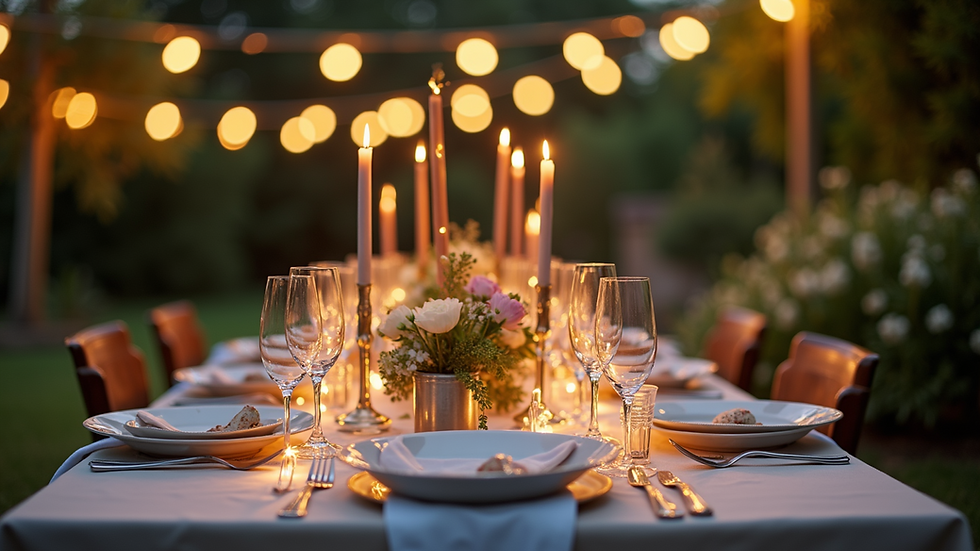
For example, a garden wedding might use soft pastels and floral motifs, while a tech conference could lean into sleek lines and bold colors. This consistency helps visitors feel connected from the moment they arrive.
2. Prioritize User-Friendly Navigation
Visitors should find what they need quickly and easily. Organize your site with clear sections like:
Event Overview
Schedule
Location and Directions
RSVP or Ticketing
FAQs
Contact Information
Use a simple menu at the top or side of the page. Avoid clutter and keep each page focused on one topic.
3. Make RSVP Simple and Accessible
One of the most important features is a straightforward RSVP system. Whether you use a form embedded on your site or link to a ticketing platform, make sure it’s easy to find and use. Include options for guests to specify dietary restrictions, plus-ones, or special accommodations.
4. Use Compelling Visuals
Photos and videos bring your event to life. Include images of the venue, past events, or mood boards that capture your theme. Visuals help guests imagine themselves there and build excitement.

5. Optimize for Mobile Devices
Many people will visit your site on their phones or tablets. Make sure your website looks great and functions smoothly on all screen sizes. Responsive design is key to keeping visitors engaged no matter how they access your site.
Essential Features to Include on Your Event Website
To make your website truly effective, consider adding these features:
Countdown Timer: Builds anticipation by showing how many days remain until the event.
Interactive Map: Helps guests find the venue easily, with options for parking and public transport.
Social Media Integration: Allows visitors to share the event and follow updates on platforms like Instagram or Facebook.
Guestbook or Message Board: Lets attendees leave messages or connect before the event.
Downloadable Materials: Provide schedules, menus, or dress code guidelines as PDFs for easy access.
Designing for Accessibility and Inclusivity
An event website should welcome everyone. Use clear fonts, high-contrast colors, and alt text for images to support visitors with visual impairments. Make sure navigation is keyboard-friendly and that videos have captions.
By prioritizing accessibility, you ensure that all your guests feel valued and included from the start.

Bringing It All Together: Your Event Website in Action
Once your site is live, keep it fresh and engaging. Update it regularly with new information, photos, or announcements. Send reminders and share highlights on social media to keep the buzz alive.
Remember, your event website is a powerful tool that supports your entire celebration. It helps you stay organized, communicates your vision, and makes your guests feel special.
Making Every Celebration Stress-Free and Memorable
Building an engaging event website is a rewarding step toward creating unforgettable moments. With thoughtful design, clear information, and a warm, inviting tone, your site becomes more than just a page on the internet - it becomes the heart of your event’s story.
I encourage you to embrace this opportunity to connect with your guests and make planning smoother for yourself. Your celebration deserves a website that shines just as brightly as the day itself.

Comments